
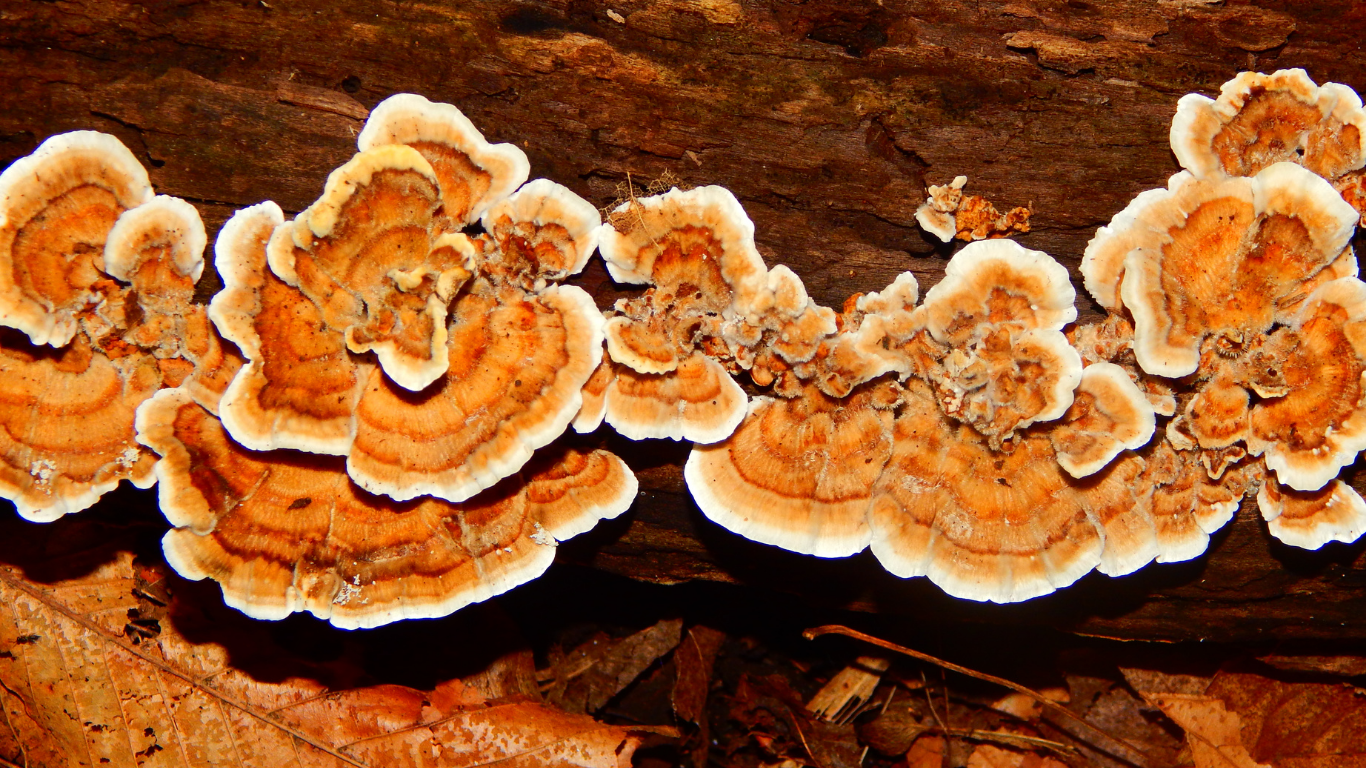
Medicinal Mushrooms:
Ancient Allies for Modern Wellbeing
Medicinal Mushrooms
Ancient Allies for Modern Wellbeing
Medicinal mushrooms have been used for centuries in traditional wellness systems, especially across Asia and Europe. In modern wellness, they’re most commonly used as concentrated extracts, often powders, because extraction makes certain beneficial constituents more available than simply eating the whole mushroom.
Medicinal mushrooms are best thought of as daily, gentle foundations that may support the body’s natural resilience over time rather than “quick fixes”.
Different species have different traditional uses, but medicinal mushrooms are most often consumed for support with:
Immune system function; many mushrooms contain beta-glucans and other polysaccharides associated with immune activity,
Stress resilience / adaptogenic-style support: helping the body cope with physical and mental load over time.
Energy, stamina and vitality: often associated with Cordyceps in traditional use.
Cognitive support, focus and mood: often associated with Lion’s Mane in traditional use.
Antioxidant support: supporting general wellbeing.
How much should I take daily?
Daily “recommended amounts” vary a lot
There isn’t one universal recommended daily intake for medicinal mushrooms because it depends on:
the species (Reishi vs Lion’s Mane vs Cordyceps, etc.)
whether it’s fruiting body vs mycelium
whether it’s a standardised extract and the extraction ratio
the person’s health context and medications
Practical guidance for introducing Medicinal Mushrooms to your daily routine;
Start low, go slow: begin with ½ the label dose for 3–7 days, then increase to the full label dose if well tolerated.
Be consistent: many people trial medicinal mushrooms for 4–8 weeks before deciding if they’re a good fit.
Follow your product label first: because extract strengths vary, the label is often the safest “recommended amount”.
Possible side effects
Medicinal mushrooms are often well tolerated, but side effects can occur, especially when starting or at higher doses:
Digestive upset (nausea, abdominal discomfort)
Skin rash / allergy-like reactions (more likely if you’re sensitive to fungi)
With Reishi, reports include GI symptoms and rare liver-related adverse effects in case reports/monographs
If you develop hives, wheezing, swelling, severe itching, or breathing symptoms: stop and seek medical care.
Who should be cautious or avoid medicinal mushrooms?
This is the section that really protects you (and your customers).
Speak with a healthcare professional first if you:
Take blood thinners / antiplatelet meds
Reishi may increase bleeding risk with anticoagulants/antiplatelets (e.g., warfarin).
Take diabetes medications (or have hypoglycaemia risk)
Some mushrooms may lower blood sugar; Reishi may add to hypoglycaemia risk with antihyperglycaemics.
Take blood pressure medications (or have low blood pressure)
Reishi may contribute to lowered blood pressure and can compound antihypertensives.
Are on immunosuppressant therapy / have had a transplant / have autoimmune conditions
Immune-active supplements may be inappropriate in these contexts; MSKCC specifically cautions that mushrooms can overstimulate immune activity in certain cancer contexts and may not be appropriate with immunosuppressants.
Are receiving cancer treatment (especially immunotherapy)
Check with your oncology team before using medicinal mushroom supplements.
Are pregnant or breastfeeding
Safety data is often limited; for Cordyceps, pregnancy/lactation safety is specifically noted as lacking.
Have kidney stone risk / kidney disease (especially with Chaga)
Chaga has been linked with oxalate-related kidney injury in case reports involving high intakes over time.
Before surgery or dental procedures
If you’re taking mushrooms with potential blood-thinning effects (particularly Reishi), it’s wise to stop ahead of surgery and follow your clinician’s advice.
Medication interaction summary
Use caution and seek advice if taking:
Anticoagulants / antiplatelets (e.g., warfarin)
Blood pressure medications
Diabetes medications
Immunosuppressants (including post-transplant meds)
Quality and safety tips
Buy from brands that disclose species, part used (fruiting body vs mycelium), and extraction method.
If you’re sensitive, start with small doses and avoid stacking multiple new supplements at once.
If you have a medical condition or take prescription medication, treat medicinal mushrooms like you would any active supplement: check first.
This information is for education only and is not intended as medical advice. Medicinal mushroom products are not intended to diagnose, treat, cure, or prevent any disease. Always consult a qualified healthcare professional if you are pregnant or breastfeeding, have a medical condition, or take prescription medication.
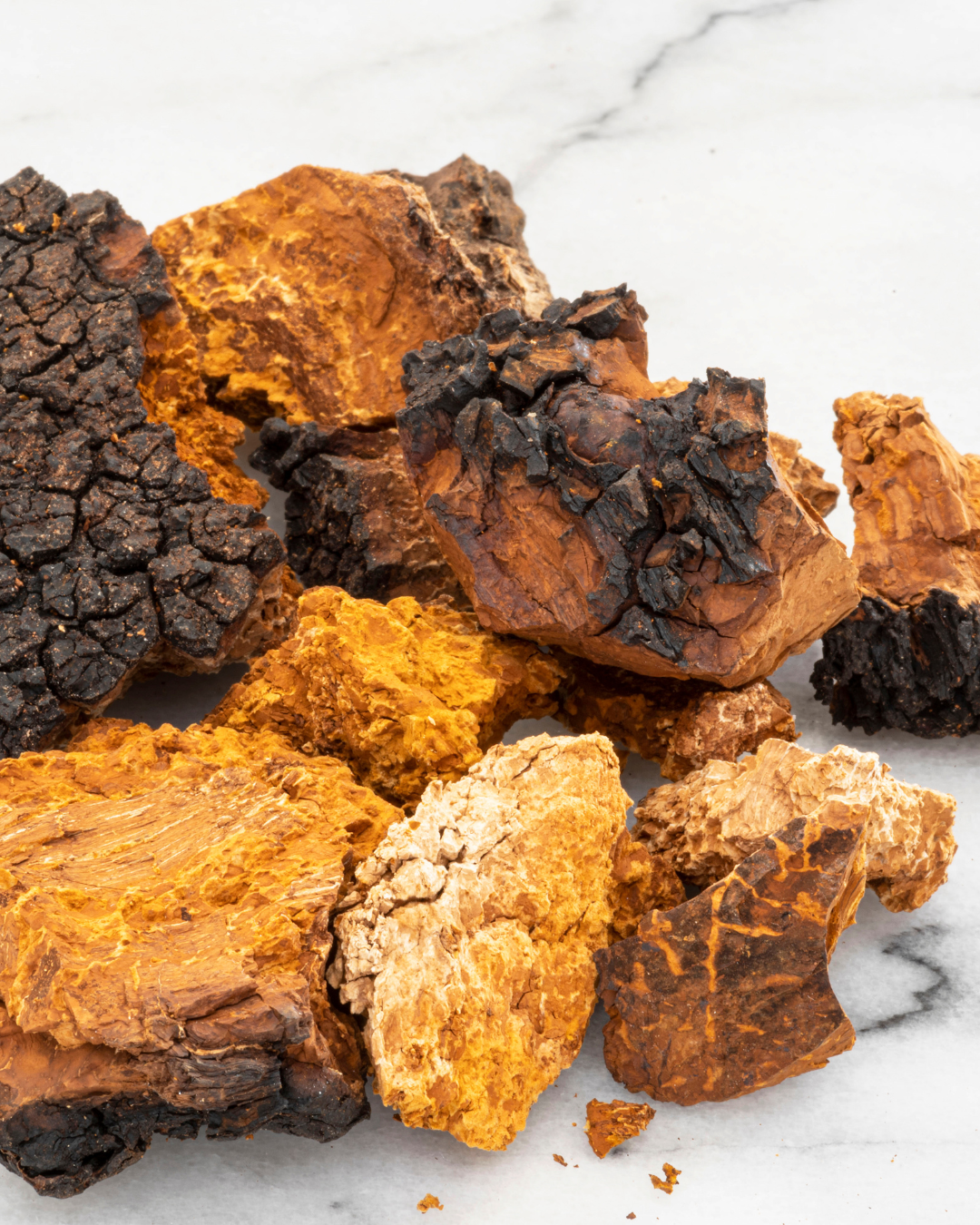
Chaga
(Inonotus obliquus)
The Antioxidant-Rich Forest Ally
Chaga is a slow-growing medicinal mushroom traditionally found on birch trees in cold northern climates. Revered in folk traditions across Siberia and Northern Europe, Chaga has long been prepared as a nourishing tea and valued for its dense nutritional profile.
Chaga is naturally rich in antioxidants and bioactive compounds and has traditionally been used to support general vitality and resilience. Rather than acting as a stimulant, Chaga is often described as deeply nourishing and grounding, making it a popular choice for daily wellbeing rituals.
Chaga is commonly enjoyed as a warm drink or added to tonics and blends as part of a balanced lifestyle.
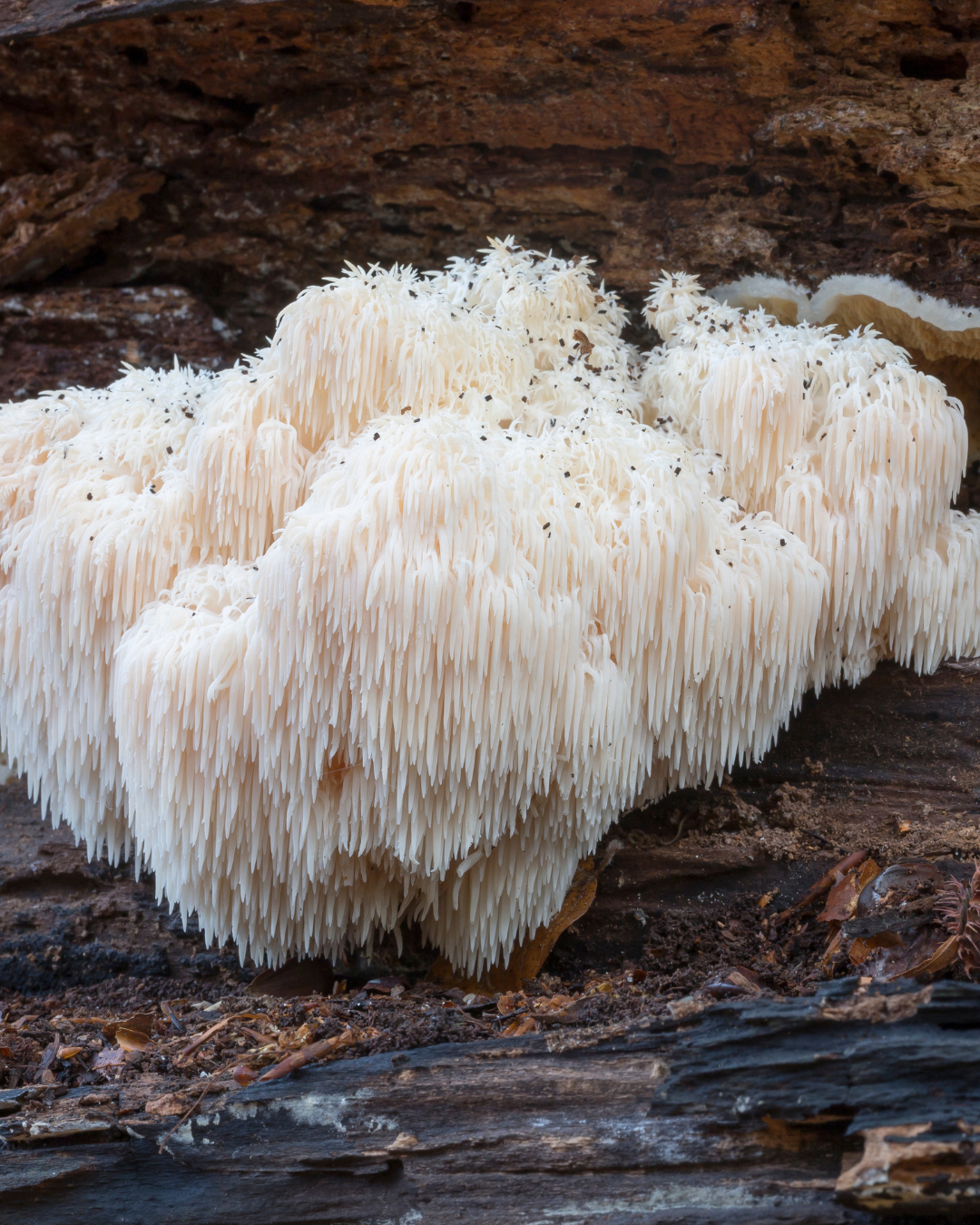
Lions Mane
(Hericium erinaceus)
The Mushroom of the Mind
Lion’s Mane is a distinctive white, shaggy mushroom that has been traditionally used in East Asian practices to support mental clarity and nervous system wellbeing. In modern wellness circles, it is especially appreciated for its association with focus, memory and cognitive support.
Traditionally, Lion’s Mane has been used to nourish the brain and nervous system while also supporting digestion and overall vitality. Many people enjoy Lion’s Mane as part of their morning routine for calm, clear energy without overstimulation.
Lion’s Mane is commonly added to drinks, smoothies, cacao or coffee alternatives as part of a mindful daily practice.
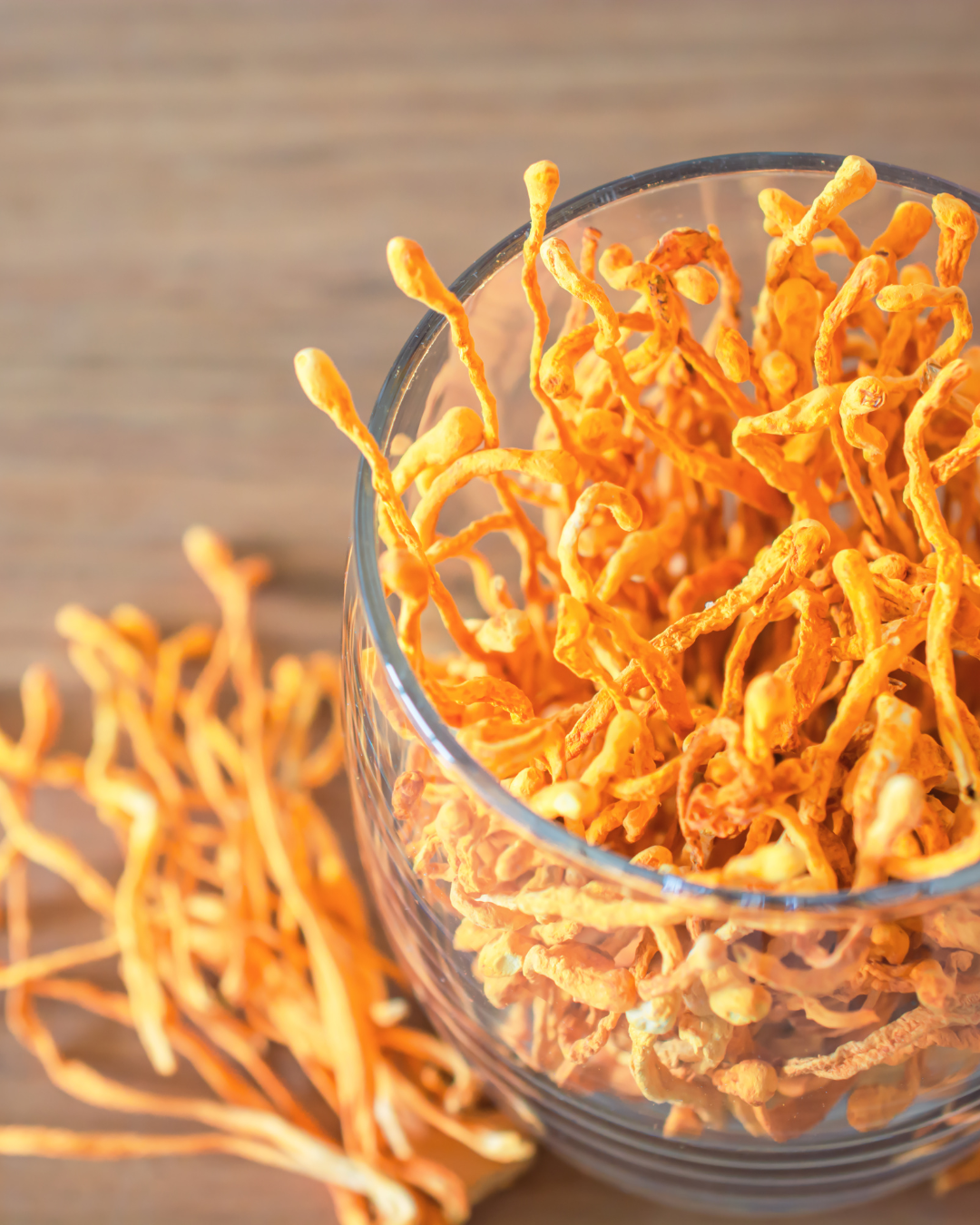
Cordyceps
(Cordyceps militaris)
The Vitality & Endurance Mushroom
Cordyceps has a long history of traditional use in Chinese and Tibetan wellness systems, where it was prized for supporting stamina, physical endurance and vitality. Unlike many other medicinal mushrooms, Cordyceps is often described as gently energising.
Traditionally, Cordyceps has been used to support energy levels, respiratory function and physical performance without the jittery effects associated with caffeine. It is commonly chosen by those seeking sustained energy and resilience during busy or physically demanding periods.
Cordyceps is often enjoyed earlier in the day and blends well into drinks, smoothies or functional tonics.
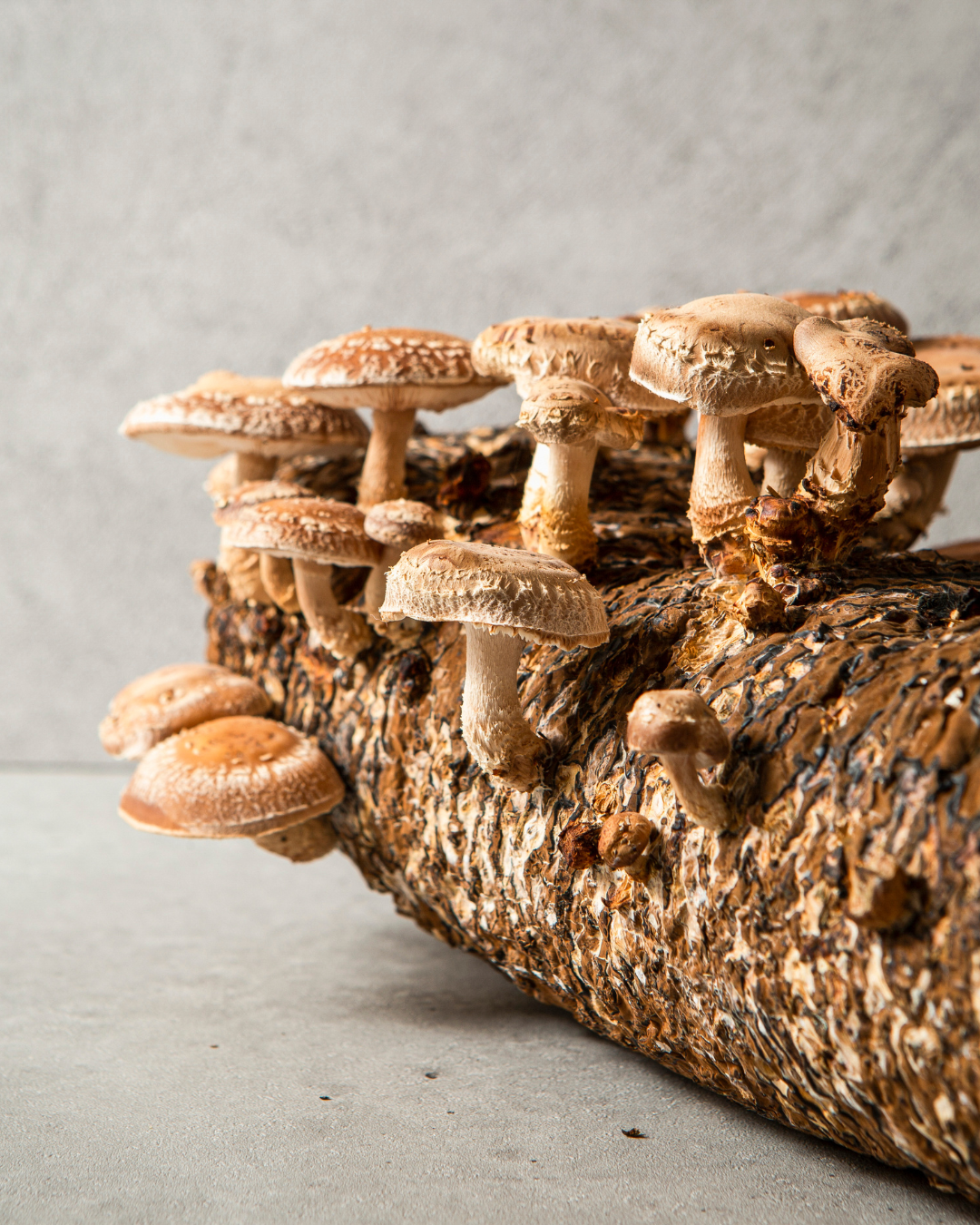
Shiitake
(Lentinula edodes)
The Nourishing Mushroom of Vitality
Shiitake is one of the most widely used medicinal and culinary mushrooms in the world, with a long history in Traditional Chinese and Japanese practices. Beyond its role as a food, Shiitake has traditionally been valued for its nourishing and strengthening properties.
Traditionally, Shiitake has been used to support general wellbeing, immune health and vitality. It is rich in naturally occurring compounds and nutrients and is often considered a foundational mushroom for everyday nourishment.
Shiitake is well suited to regular use and can be enjoyed as part of daily tonics, teas or functional blends, offering steady, supportive nourishment rather than stimulation.
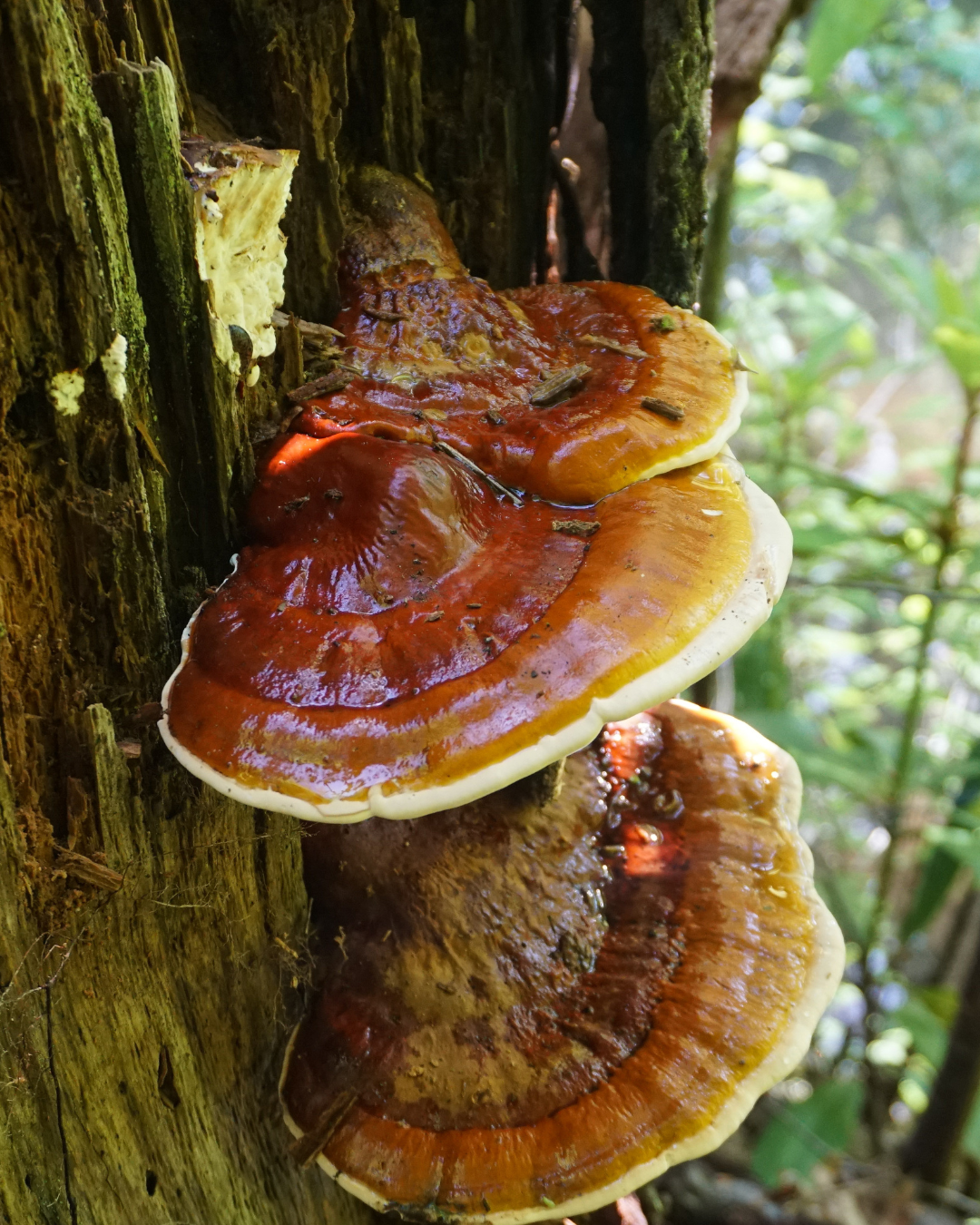
Reishi
(Ganoderma lucidum)
The Mushroom of Calm and Longevity
Often referred to as the “Mushroom of Immortality,” Reishi has been revered in Traditional Chinese Medicine for thousands of years. Unlike culinary mushrooms, Reishi is bitter in taste and is traditionally prepared as an extract or tea.
Reishi has long been used to support relaxation, emotional balance and the body’s response to stress. It is commonly associated with rest, restoration and nervous system support rather than energy or stimulation.
Reishi is often enjoyed in the evening or during slower moments of the day as part of a calming ritual or wind-down practice.
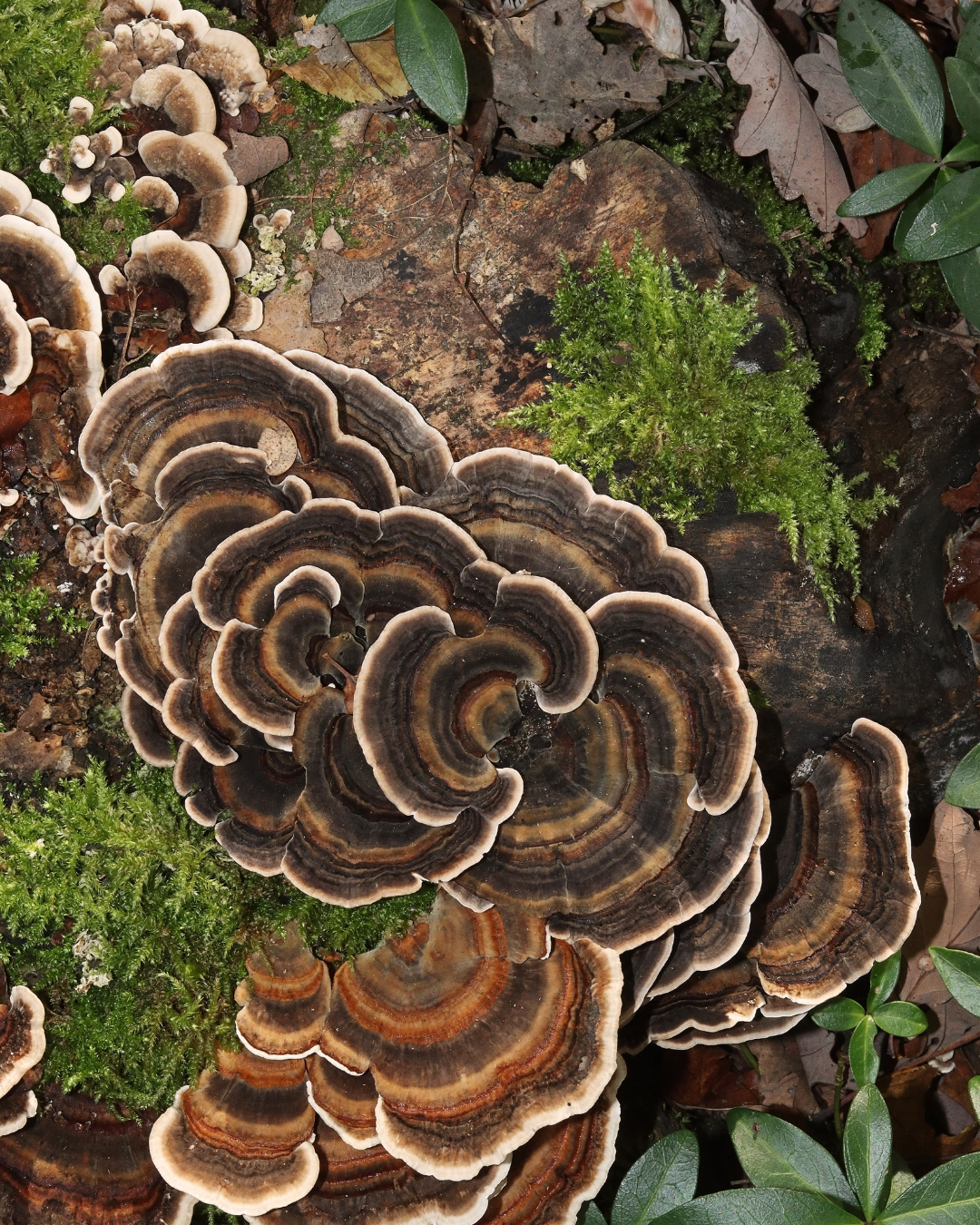
Turkey Tail
(Trametes versicolor)
The Immune-Supporting Polypore
Turkey Tail is easily recognised by its colourful, fan-shaped appearance and has a long history of traditional use, particularly in Asian wellness systems. It is valued for its unique polysaccharides, including beta-glucans, which are widely studied in relation to immune system function.
Traditionally, Turkey Tail has been used to support the body’s natural defences and overall resilience. It is not typically stimulating, making it suitable for regular, long-term use as part of a daily wellness routine.
Turkey Tail extracts are often incorporated into teas, broths or blended powders for gentle, consistent nourishment.
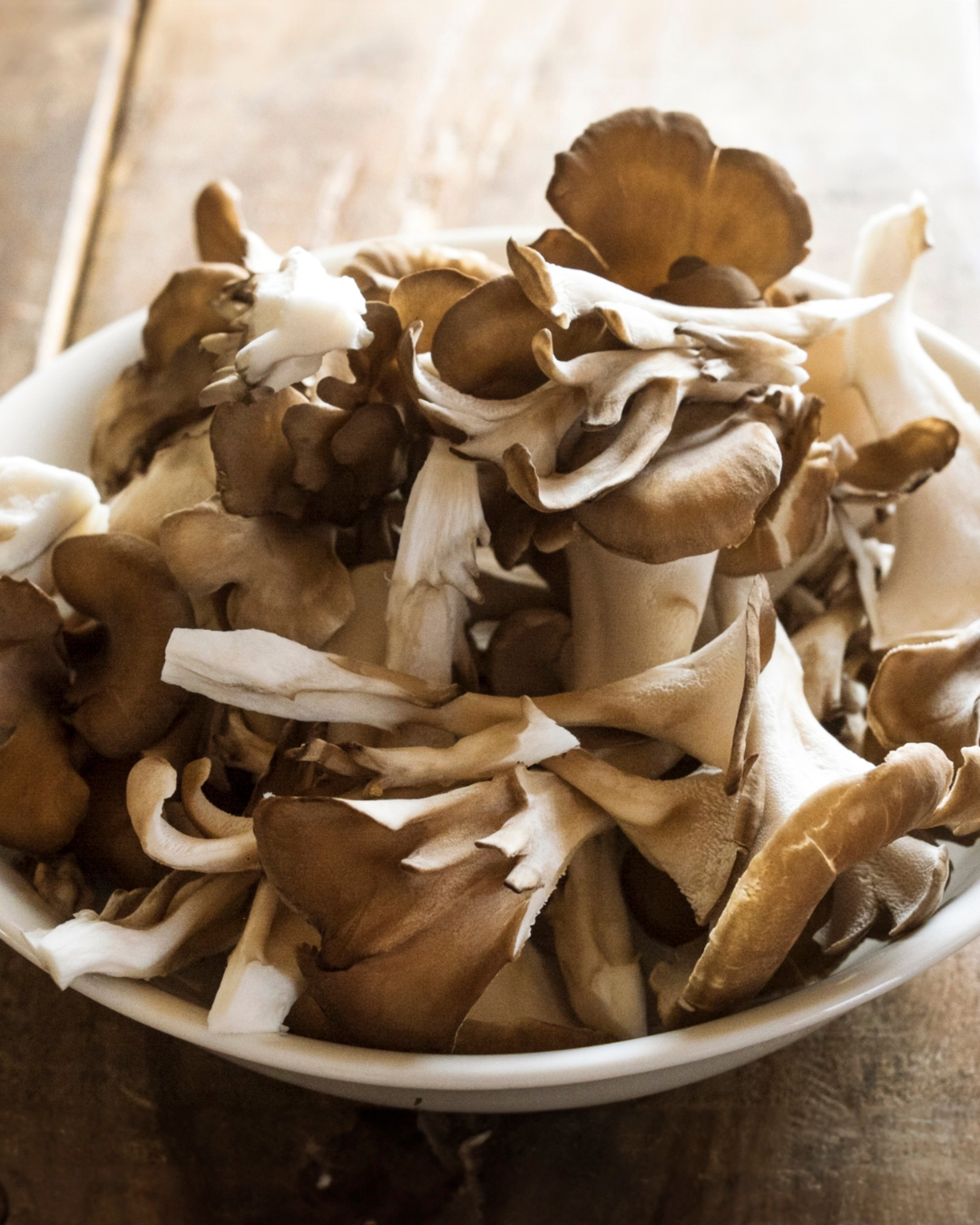
Maitake
(Grifola frondosa)
The Dancing Mushroom of Balance
Maitake, meaning “dancing mushroom” in Japanese, has been valued in traditional Asian wellness systems for centuries. It grows in large, feathery clusters at the base of hardwood trees and is appreciated both as a nourishing food and a medicinal mushroom.
Traditionally, Maitake has been used to support overall balance, vitality and the body’s natural immune response. It is particularly known for its rich polysaccharide content and is often chosen as a gentle, grounding mushroom suitable for regular, long-term use.
Maitake has an earthy, savoury profile and is commonly incorporated into daily wellness routines through extracts, broths or blended powders.